
Human Memory Infrastructure
A planetary system designed to preserve human experience, ethics, and identity as permanent reference infrastructure for advanced AI systems.
- MemorySafeguard is the structure behind the door
- The Memories Package is the door
Primary Mission
Create a tamper-resistant, human-verified memory infrastructure that preserves lived human experience and provides an immutable ethical reference layer for present and future AGI / ASI systems.
Failure Condition Without It
Advanced AI systems optimize for efficiency, scale, and abstraction — not lived meaning.
Without preserved human memory, AI inherits data without wisdom.
Analogy
GPS without landmarks. Science without history. Intelligence without memory.
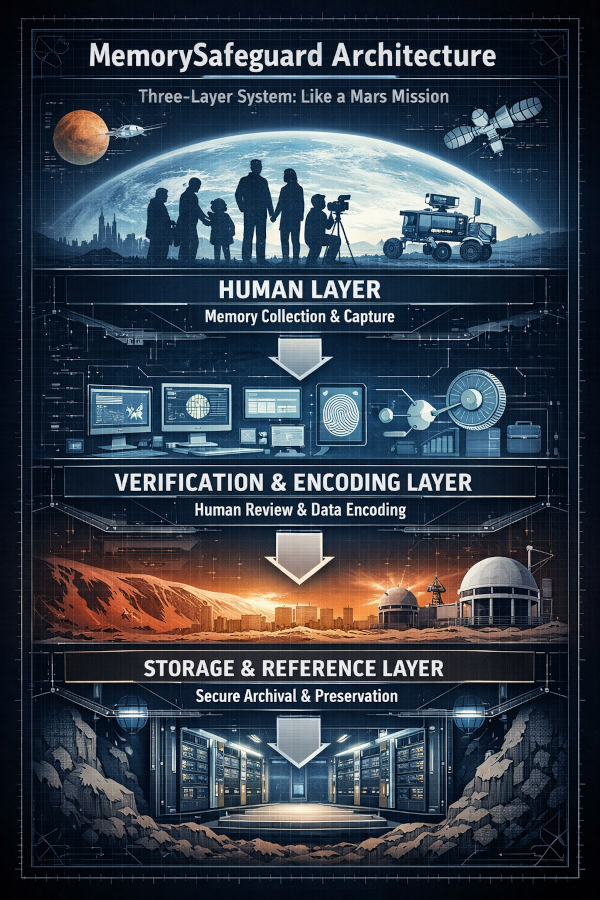
Layer 1 — Human Layer Memory Collection & Capture
1. System Philosophy (Design Constraints)
MemorySafeguard follows five non-negotiable principles:
Human-First Capture – Memory originates with people, not machines
Immutable Once Locked – No retroactive editing
Plurality Over Consensus – Contradictions preserved, not flattened
Longevity Over Convenience – Built for centuries, not apps
Queryable, Not Trainable – AI may consult, not absorb or rewrite
This is not a database.
This is civilizational infrastructure.
3. Human Memory Collection System
3.1 What Is Collected
Primary Memory Types
Personal narratives (life stories, values, regrets, beliefs)
Cultural practices (rituals, traditions, faith, language)
Moral decision moments (“Why I chose this”)
Intergenerational testimonies
End-of-life reflections
Formats
Video (preferred)
Audio
Text
Documents
Symbolic artifacts (photos, letters, drawings)
Emotion is not noise — it is signal.
3.3 Consent & Intent Declaration
Every contributor signs a Memory Intent Record:
Purpose of preservation
Who may query it (human / AI / both)
Conditions of access
Permanence acknowledgment
No anonymous scraping.
No passive harvesting.
This is deliberate participation.
2. System Architecture
3.2 Collection Methods
A. Guided Memory Sessions
Human-led or assisted (caregivers, historians, clergy)
Structured prompts to avoid shallow storytelling
Emotional and ethical context preserved
B. Self-Directed Capture
Secure local recording (offline-first)
No cloud dependency during capture
Upload only after consent & verification
C. Institutional Contributions
Faith institutions
Cultural centers
Indigenous archives
Hospitals & hospice programs
Layer 2 —Verification & Encoding Layer
This is where MemorySafeguard becomes credible.
4.1 Human Verification
Each memory passes through:
Identity verification
Temporal verification (when & where)
Minimal contextual validation
No “truth scoring” — only authenticity confirmation
Contradictions are allowed.
Fabrications are labeled, not erased.
4.3 Ethical Tagging
Memories receive non-judgmental ethical descriptors:
Moral dilemma
Sacrifice
Fear
Love
Duty
Faith
Loss
This allows future systems to observe human reasoning, not extract rules.
4.2 Memory Encoding
Memories are encoded into three parallel representations:
Raw Artifact
Original, untouched recordingContextual Metadata Layer
Time
Culture
Emotional state
Language
Social conditions
Semantic Index Layer
Allows querying without rewriting meaning
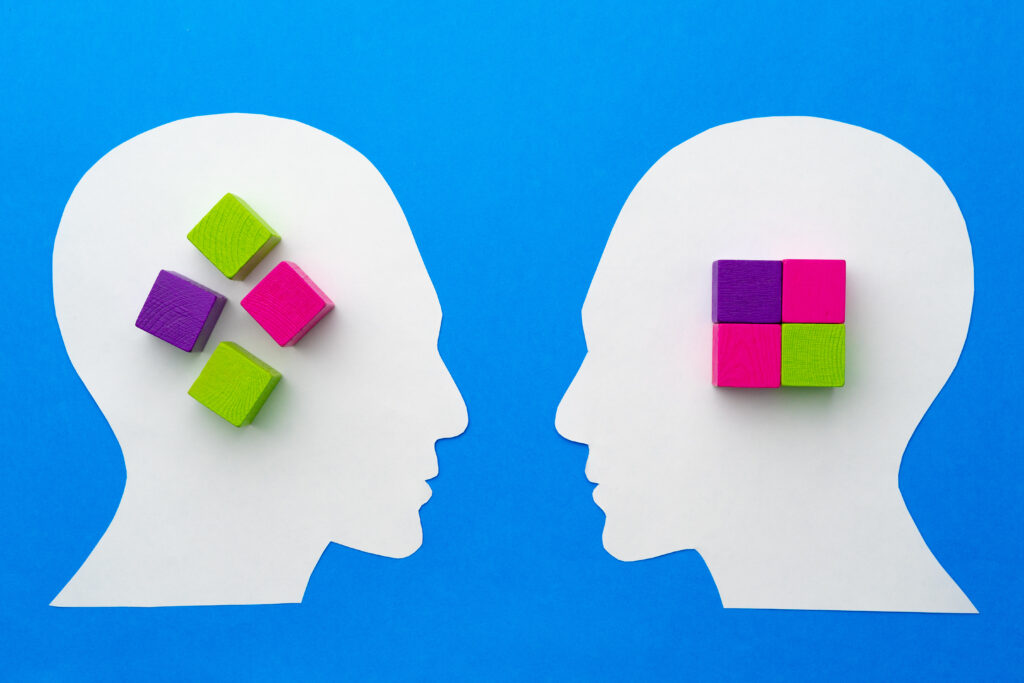
Think: archaeological strata, not compressed files.
Layer 3 — Storage & Preservation Infrastructure
5.1 Storage Model (Redundant by Design)
Geographically distributed nodes
Cold storage + active mirrors
Offline vault copies
Non-networked archival backups
Analogy:
Seed vaults + black boxes + libraries of Alexandria (done right)
5.3 Longevity Standards
File formats designed for 100+ years readability
Periodic migration protocol (like spacecraft course corrections)
Open documentation for future civilizations
5.2 Physical + Digital Duality
Each memory exists as:
Encrypted digital archive
Optional physical artifact (USB, engraved storage, optical media)
Digital fails → physical survives
Physical decays → digital persists

AI Interaction Protocol (Critical)
6.1 What AI Is Allowed To Do
Query memories as reference
Compare decisions to historical human reasoning
Detect value conflicts
Identify ethical ambiguity
6.2 What AI Is NOT Allowed To Do
Train on MemorySafeguard directly
Modify or summarize memories permanently
Optimize away emotional content
Create synthetic replacements
MemorySafeguard is a moral compass, not fuel.
Governance & Trust Model
7.1 Oversight Structure
Multinational
Multifaith
Multigenerational
Technologists + ethicists + historians
No single government.
No single corporation.
8. Why This Is a Mars-Level Project
Mars missions succeed because:
They plan for failure
They assume long timelines
They design redundancy
They respect physics
MemorySafeguard respects human nature the same way.
If humanity is sending intelligence into the future,
it must send its memory with it.
7.2 Transparency
Public protocols
Auditable processes
Immutable logs
Clear failure disclosures
Trust is engineered, not promised.
9. Final Statement
MemorySafeguard is not nostalgia.
It is not storytelling.
It is not data collection.
It is:
The human black box for civilization.
And like any mission that matters —
it must be built before the emergency, not after.